Key Highlights
- Individualized approach: Clinical Pilates in Moonee Ponds offers tailored programs to address specific postural imbalances and flexibility limitations.
- Expert guidance: Certified physiotherapists with formal Pilates training design and supervise each session for optimal safety and effectiveness.
- Targeted exercises: Specific Pilates exercises, utilizing equipment like reformers and the trapeze table, focus on strengthening weak muscles and improving flexibility.
- Injury prevention: Clinical Pilates is an excellent tool for preventing future injuries by promoting proper movement patterns and body awareness.
- Comprehensive benefits: Beyond posture and flexibility, Clinical Pilates enhances core strength, balance, and overall well-being.
Introduction

Are you looking to improve your posture and flexibility in Moonee Ponds? Clinical Pilates is the answer! This special type of exercise helps your overall health. It combines Pilates methods with physiotherapy skills. Clinical Pilates focuses on muscle imbalances, helps your joints move better, and encourages better body alignment. This way, you can become healthier and stronger.
Enhancing Your Posture and Flexibility Through Clinical Pilates in Moonee Ponds
Clinical Pilates is different from regular Pilates. It focuses on your specific needs. If you have back pain, bad posture, or just want to get fit, clinical Pilates in Moonee Ponds can help you safely reach your goals.
With a mix of controlled movements and targeted exercises, clinical Pilates helps strengthen weak muscles and stretch tight ones. It also helps you be more aware of your body. By working on core stability and good posture, this type of exercise enables you to have better control of your body and move more smoothly.
The Role of Clinical Pilates in Posture Improvement
Posture is very important for our health and well-being. When we have poor posture, it can cause problems in our muscles and bones, like back pain, neck pain, and headaches. Clinical Pilates provides a great way to improve posture with its focused method.
A tailored clinical Pilates program works on the muscle imbalances that lead to bad posture. It helps build up weak muscles, especially those in the back and core. At the same time, it stretches the tight muscles in the chest and shoulders, which helps to adjust the body’s natural position.
In addition, clinical Pilates focuses on core strength, which is key for keeping a straight posture. A strong core gives support to the spine and helps prevent slouching. This encourages a better and more confident posture.
Flexibility Gains with Clinical Pilates Techniques
Flexibility is very important for keeping your joints healthy, avoiding injuries, and improving your overall movement. Clinical Pilates offers a special way and exercises that help increase flexibility a lot.
With its controlled movements and focused stretches, clinical Pilates tackles muscle imbalances and helps your joints move better. Specific Pilates exercises, like the roll-up, spine twist, and leg circles, focus on different muscles, helping to increase flexibility and lessen stiffness.
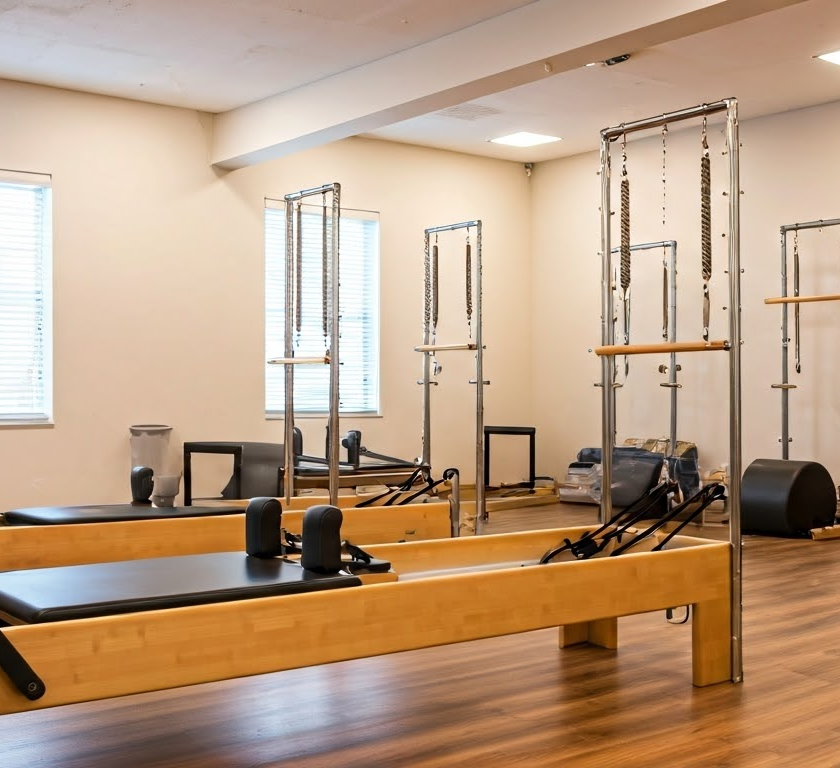
Also, using Pilates equipment like the reformer and trapeze table provides more resistance and support, leading to better flexibility improvements. The controlled setting and precise movements allow for deeper stretches, boosting muscle elasticity and overall flexibility.
How Clinical Pilates Strengthens Core Muscles
Core strength is very important for stability, balance, and movement. Clinical Pilates focuses a lot on building core strength. It helps develop deep stomach muscles, back muscles, and pelvic floor muscles.
Pilates exercises work for several muscle groups at the same time. This means the core is engaged in an effective way. Using Pilates equipment like the reformer helps to add resistance, which challenges the core muscles. This leads to greater strength and endurance.
Having a stronger core can improve your posture. It also helps lower the risk of lower back pain and boosts performance in sports. With better core stability from clinical Pilates, you can have better movement control, balance, and overall fitness.
Reducing Muscle Tension with Targeted Pilates Exercises
Muscle tension is a common issue that can cause discomfort, pain, and limited movement. Clinical Pilates is a helpful approach that uses specific exercises to focus on certain areas of muscle tension.
By doing gentle movements and stretches, clinical Pilates helps release tension in tight muscles like the neck, shoulders, and hips. These exercises aim to strengthen and lengthen the muscles, bringing back balance and promoting relaxation.
Also, clinical Pilates includes breathing techniques that help reduce stress, which can add to muscle tension. By pairing deep breathing with careful movements, clinical Pilates creates a feeling of relaxation and well-being.
Clinical Pilates for Injury Prevention and Recovery
Clinical Pilates is a helpful way to prevent injuries and aid recovery. It improves muscle balance, core strength, and flexibility. This helps lower the chance of getting hurt.
Focusing on correct body movements lets us avoid injuries that come from doing things the same way too often. Clinical Pilates also strengthens the muscles around weak joints, which gives extra support and stability.
For those who are healing from injuries, clinical Pilates offers a safe place to exercise. The low-impact workouts help rebuild strength, flexibility, and coordination. This makes it easier to get back to activities safely.
The Benefits of Clinical Pilates for Lower Back Pain
Lower back pain is a common problem that can affect daily life. Clinical Pilates is known for helping with lower back pain and boosting spinal health.
In clinical Pilates sessions, exercises strengthen the core muscles, which are important for supporting the lower back. By working on the deep abdominal muscles, back extensors, and pelvic floor muscles, clinical Pilates helps keep the spine stable and reduces pressure on the lower back.
Additionally, clinical Pilates focuses on good body mechanics and posture. This helps lessen stress on the spine. The mix of core strengthening, flexibility exercises, and postural correction makes clinical Pilates very effective for managing and preventing lower back pain. Often, clinical Pilates can also be used with physiotherapy to provide a complete treatment plan.
Improving Balance and Coordination with Pilates
Balance and coordination are important for daily activities. This includes things like walking, running, and playing sports or enjoying hobbies. Clinical Pilates can help improve balance and coordination. It does this by building core strength, increasing body awareness, and helping with movement control.
Many Pilates exercises challenge your balance and coordination. They encourage the body to stay stable and control movement in different ways. For example, single-leg exercises and those done on unstable surfaces work the core muscles and boost body awareness.
When you practice clinical Pilates regularly, it helps strengthen the link between your brain and body. This improves your balance, coordination, and how well you move overall.
Clinical Pilates for Better Breathing and Oxygen Flow
Breathing is very important for our health. Clinical Pilates understands how crucial it is to breathe properly. The exercises in this method include special breathing patterns. These patterns help oxygen move better in our bodies and improve how we breathe.
In clinical Pilates, we learn deep and controlled breathing. This activates the diaphragm, the main muscle used for breathing. Better diaphragm use leads to larger lung capacity and better oxygen intake. It also helps us relax more.
Additionally, correcting posture is a big focus in clinical Pilates. It helps align the rib cage and spine. This alignment allows air to flow freely and improves the way we breathe.
Posture Alignment: How Clinical Pilates Corrects Misalignments
Postural misalignments can happen for many reasons. These reasons include bad habits, imbalances in muscles, and injuries. Clinical Pilates offers a clear way to fix these misalignments. It helps restore good posture and lowers strain on the body.
Through specific Pilates exercises, clinical Pilates works on muscle imbalances that lead to posture problems. It stretches tight muscles, strengthens weak ones, and slowly aligns the body into its best posture.
Formal Pilates training gives practitioners a strong understanding of how the body works and how to analyze posture. They can spot specific posture issues and customize exercises to tackle those problems. This promotes long-term correction of posture.
Tailored Pilates Programs for Specific Postural Needs
One big benefit of clinical Pilates is that it offers customized programs for each person. It doesn’t matter if you have rounded shoulders, a forward head, or a curved back; clinical Pilates can help with your unique issues.
During the initial consultation, the practitioner checks your posture. They look for any misalignments or imbalances and learn about your goals. After this, they create a personalized program just for you.
Additionally, clinical Pilates can work well with other healthcare services like physiotherapy. This gives a complete way to fix posture issues. If you have private health insurance, your clinical Pilates sessions might qualify for rebates. This can make it more affordable for you.

Conclusion
Clinical Pilates in Moonee Ponds is a complete way to improve posture, flexibility, and overall health. This method focuses on core muscles, lessens muscle tension, and helps to prevent injuries. Clinical Pilates gives a personal plan to boost balance, coordination, and breathing. It is different from regular Pilates as it fixes body misalignments and helps align posture. Try Clinical Pilates for relief from lower back pain and to build strength. Improve your posture and flexibility with Clinical Pilates today.
Frequently Asked Questions
What Makes Clinical Pilates Different from Traditional Pilates?
Clinical Pilates is usually led by physiotherapists. They create specific Pilates exercises that use equipment like the reformer. This kind of Pilates focuses on individual needs. On the other hand, traditional Pilates is more general in its approach.
Are there any specific exercises in Clinical Pilates that target posture and flexibility?
Clinical Pilates creates exercises that help improve posture and flexibility. It focuses on specific areas through customized programs, using equipment like the reformer.